Pet care is deeply rewarding, but even the most loving owners make mistakes without realizing it. Many of these mistakes come from misunderstandings, outdated advice, or simply not knowing how certain daily habits affect long-term well-being. Dogs and cats communicate differently than humans, and their needs often go unnoticed until problems emerge. Whether you’re a new pet parent or have cared for animals for years, revisiting your daily routines can help prevent avoidable issues related to health, hygiene, behavior, and emotional wellness.
Common mistakes often start small: a missed grooming session, skipping mental stimulation, or feeding a popular but nutritionally poor diet. Over time, these oversights create patterns that affect everything from your pet’s digestion to their stress levels. The good news is that most mistakes are easy to correct once you recognize them. By making strategic adjustments, you protect your pet’s physical health, strengthen your bond, and create a stable environment where they can thrive.
Raising a pet requires awareness and adaptability. As they grow, their needs change, and so should your care strategies. What worked for a kitten or puppy won’t necessarily work for an adult or senior pet. Education and prevention are the smartest tools a pet parent can invest in. Addressing common mistakes early saves time, expense, and heartache in the future.
This guide highlights twenty-one frequent pet care mistakes and offers practical corrections that help you provide better, safer, and more mindful care. These insights elevate your everyday routine and ensure your companion gets everything they need for a healthy, happy life.
1. Feeding Low-Quality or Inappropriate Food
Feeding budget or generic foods lacking essential nutrients is one of the most common mistakes. Poor nutrition leads to weight gain, digestive issues, dull coat, and long-term health complications. Pets require age-specific and species-appropriate diets for optimal development.
Avoid This Mistake By
• Choosing vet-recommended formulas
• Avoiding fillers, artificial flavors, and cheap additives
• Feeding life-stage specific diets
• Measuring portions accurately
2. Overfeeding and Excessive Treats
Treats are great for bonding and training, but too many can lead to obesity, diabetes, and joint issues. Some owners unknowingly feed large portions or give table scraps that are harmful to pets.
Treat Smart Rules
• Treats should be under 10% of daily calories
• Avoid feeding from the dining table
• Use low-calorie training treats
• Monitor weight regularly
3. Not Providing Enough Fresh Water
Pets often drink less when their water bowls are dirty or stagnant. Dehydration affects kidney function, digestion, and overall energy.
Hydration Tips
• Clean bowls daily
• Refill water at least twice a day
• Consider a pet water fountain
• Monitor changes in thirst
4. Skipping Daily Exercise
A tired pet is a happy pet. Lack of exercise causes weight gain, anxiety, destructiveness, and behavioral problems.

Activity Targets
• Dogs: 30–90 minutes of activity
• Cats: 10–20 minutes of interactive play
• Rotate toys weekly
• Combine mental and physical play
5. Ignoring Mental Stimulation
Bored pets act out. Many owners give attention but not enrichment, leading to anxiety or destructive habits.
Mental Enrichment Ideas
• Puzzle feeders
• Snuffle mats
• Training sessions
• Interactive play
6. Inconsistent Training
Training only occasionally confuses pets and slows learning. Consistency is the backbone of behavior development.
Training Guidelines
• Short, daily sessions
• Use positive reinforcement
• Avoid punishment-based methods
• Reinforce learned commands regularly
7. Skipping Early Socialization
Pets need gradual exposure to people, sounds, and environments to avoid fear-based behaviors later.
Socialization Checklist
• Introduce new experiences slowly
• Expose them to different floors, objects, and noises
• Arrange safe interactions with other pets
• Pair new experiences with treats
8. Neglecting Regular Grooming
Brushing isn’t optional. It prevents mats, removes loose fur, improves skin circulation, and keeps your home cleaner.
Grooming Habits
• Brush daily or weekly depending on breed
• Clean ears regularly
• Trim nails before they overgrow
• Use pet-safe grooming tools
9. Ignoring Dental Care
Dental disease is one of the leading health issues in pets. Many owners skip brushing because they assume dental chews are enough.
Dental Care To-Dos
• Brush teeth daily or several times a week
• Use pet-safe toothpaste only
• Schedule annual dental exams
• Watch for bad breath or drooling
10. Missing Vet Checkups
Skipping routine vet visits means diseases may go unnoticed until they become serious.
Health Monitoring Tips
• Schedule annual or biannual exams
• Track changes in weight, appetite, or energy
• Keep vaccines up to date
• Ask about preventative care
11. Not Using Parasite Prevention
Fleas, ticks, and worms cause significant harm. Many owners delay or forget prevention treatments.
Preventive Measures
• Monthly flea/tick medication
• Deworming protocols
• Checking fur after outdoor activities
• Maintaining a clean environment
12. Allowing Unsafe Chew Items
Not everything pets chew is safe. Bones, cheap toys, and household objects can splinter or cause choking.
Safe Chew Options
• Durable natural rubber toys
• Vet-approved dental chews
• Rope toys for supervised play
• Avoid rawhide
13. Neglecting Litter Box Hygiene
A dirty litter box causes stress and leads to inappropriate elimination.
Litter Care Checklist
• Scoop twice a day
• Replace litter weekly
• Keep boxes in quiet areas
• Use the 1 box per cat +1 rule
14. Using Strong, Scented Cleaners
Many cleaners contain chemicals harmful to pets, particularly cats.
Safe Cleaning Practices
• Use pet-safe products
• Avoid ammonia-based cleaners
• Keep pets away from freshly cleaned floors
• Ventilate rooms properly
15. Not Providing a Safe Space
Pets need a retreat where they can rest without disturbance. Many owners overlook this emotional need.
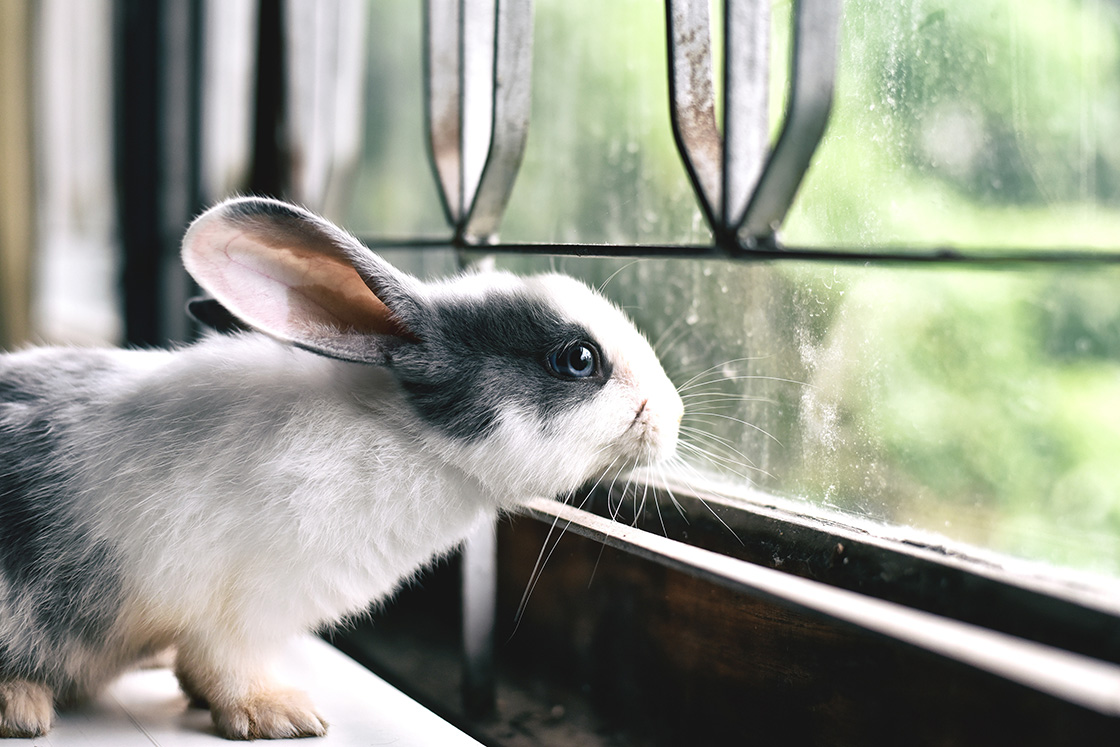
Comfort Zone Ideas
• Soft bedding in a quiet corner
• Crate for dogs
• Cat caves or window perches
• Familiar blankets or toys
16. Overlooking Body Language
Pets communicate mainly through behavior. Ignoring these signs leads to stress and misunderstandings.
Signs to Observe
• Tail position
• Ears forward/back
• Hiding or aggression
• Changes in eating habits
17. Bathing Too Often or Too Rarely
Improper bathing schedules cause skin irritation, dryness, or odor buildup.
Bathing Guidelines
• Dogs: every 4–6 weeks
• Cats: mostly self-clean, occasional baths if needed
• Use mild, pet-safe shampoos
• Avoid hot water
18. Leaving Pets Alone for Too Long
Long hours alone cause separation anxiety, depression, and boredom-driven behaviors.
Prevent Loneliness
• Use pet cameras for monitoring
• Schedule playtime before leaving
• Provide interactive toys
• Arrange pet-sitting when necessary
19. Ignoring Weight Management
Overweight pets face shorter lifespans and more health risks.
Weight Control Tips
• Follow feeding instructions
• Avoid free-feeding
• Increase daily exercise
• Use weight-control diets if needed
20. Using the Wrong Accessories
Wrong-sized collars, harnesses, or beds cause discomfort or injury.
Accessory Fit Guide
• Measure neck and chest before buying
• Use breakaway collars for cats
• Choose orthopedic beds for older pets
• Inspect items for wear and tear
21. Delaying Behavior Correction
Small behavior issues escalate if ignored. Addressing them early prevents long-term problems.
Behavior Management
• Redirect undesirable actions
• Train consistently
• Provide enrichment to reduce stress
• Seek professional help if necessary
Pet care is a long-term commitment that evolves with time. Recognizing the small mistakes you may be making puts you ahead of the curve and empowers you to create a healthier, happier lifestyle for your dog or cat. Each adjustment, even the simplest one, contributes to better behavior, improved health, and a stronger emotional bond.
When you correct these common mistakes and replace them with thoughtful, consistent care practices, your pet benefits from a safer environment and a more fulfilling daily routine. These improvements reduce stress, prevent illness, and strengthen communication between you and your companion.
Pets depend entirely on their humans to understand their needs. By making mindful changes and staying informed, you give your pet the loving, secure, and enriched life they deserve.
Comments
Post a Comment